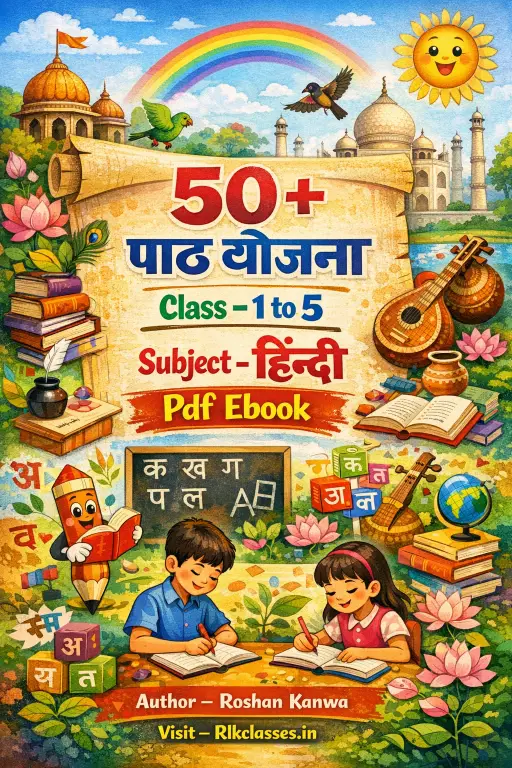
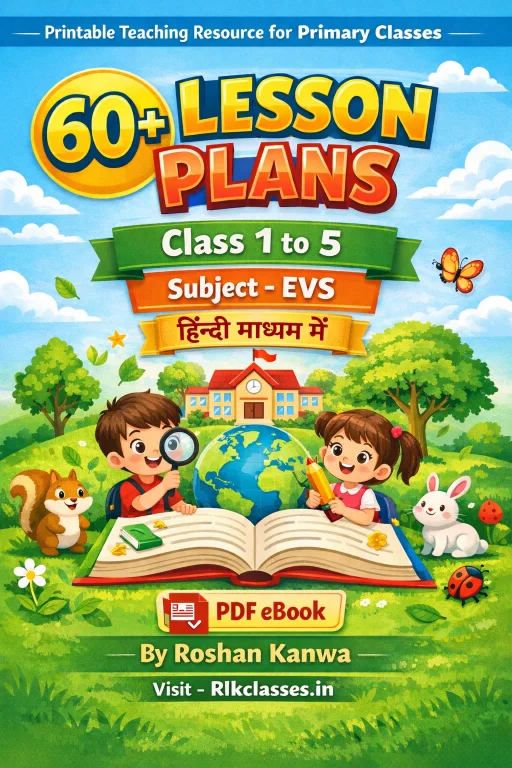
B Ed Lesson Plan of English बनाना हर B.Ed student के लिए जरूरी skill होता है। Lesson Plan teaching-learning process को systematic, clear और effective बनाता है। English subject में lesson planning और भी महत्वपूर्ण हो जाता है, क्योंकि इसमें prose, poetry, grammar, vocabulary building, reading skills और communication skills शामिल होते हैं। इस पोस्ट में हम simple language में ऐसे English lesson plans provide करेंगे जो B.Ed 1st year और B.Ed 2nd year दोनों के लिए perfect हैं। साथ ही micro teaching skills के lesson plans भी शामिल किए गए हैं ताकि आप आसानी से अपनी practical file तैयार कर सकें। b ed lesson plan of english for class 7 topic-The Lost Camel
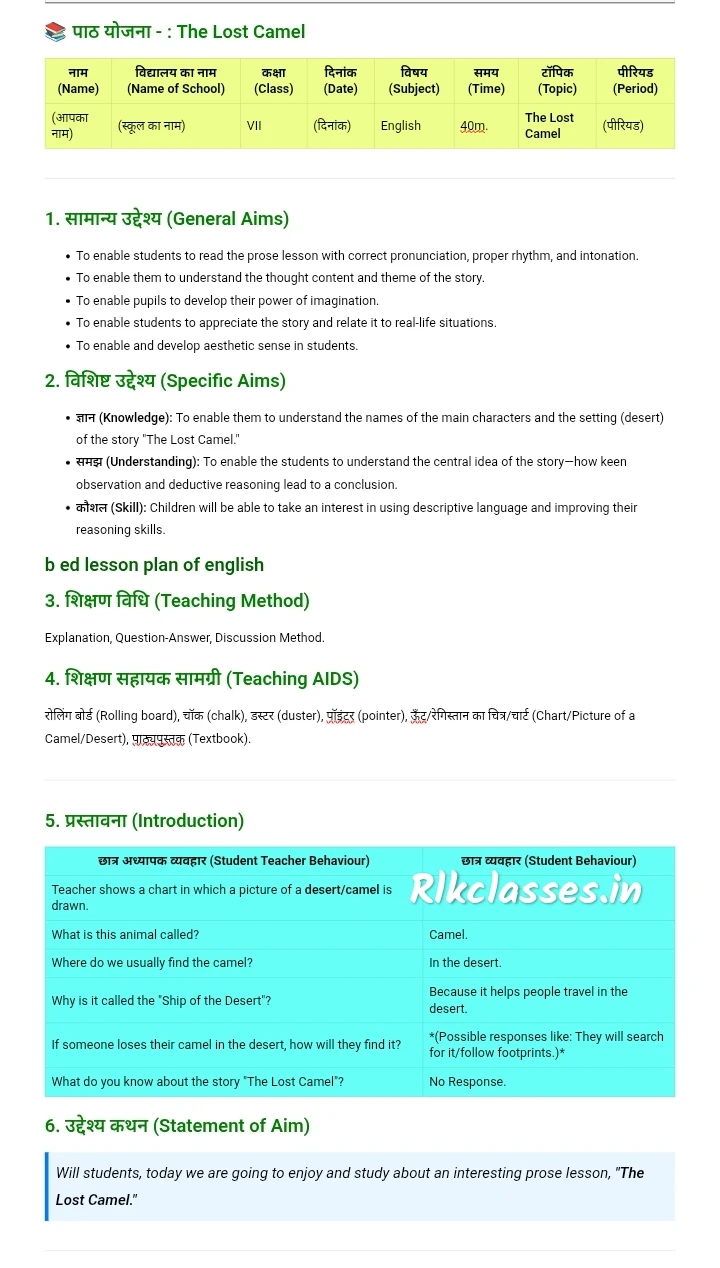
📚 पाठ योजना – : The Lost Camel
| नाम (Name) | विद्यालय का नाम (Name of School) | कक्षा (Class) | दिनांक (Date) | विषय (Subject) | समय (Time) | टॉपिक (Topic) | पीरियड (Period) |
|---|---|---|---|---|---|---|---|
| (आपका नाम) | (स्कूल का नाम) | VII | (दिनांक) | English | 40m. | The Lost Camel | (पीरियड) |
1. सामान्य उद्देश्य (General Aims)
- To enable students to read the prose lesson with correct pronunciation, proper rhythm, and intonation.
- To enable them to understand the thought content and theme of the story.
- To enable pupils to develop their power of imagination.
- To enable students to appreciate the story and relate it to real-life situations.
- To enable and develop aesthetic sense in students.
2. विशिष्ट उद्देश्य (Specific Aims)
- ज्ञान (Knowledge): To enable them to understand the names of the main characters and the setting (desert) of the story “The Lost Camel.”
- समझ (Understanding): To enable the students to understand the central idea of the story—how keen observation and deductive reasoning lead to a conclusion.
- कौशल (Skill): Children will be able to take an interest in using descriptive language and improving their reasoning skills.
b ed lesson plan of english
3. शिक्षण विधि (Teaching Method)
Explanation, Question-Answer, Discussion Method.
4. शिक्षण सहायक सामग्री (Teaching AIDS)
रोलिंग बोर्ड (Rolling board), चॉक (chalk), डस्टर (duster), पॉइंटर (pointer), ऊँट/रेगिस्तान का चित्र/चार्ट (Chart/Picture of a Camel/Desert), पाठ्यपुस्तक (Textbook).
5. प्रस्तावना (Introduction)
| छात्र अध्यापक व्यवहार (Student Teacher Behaviour) | छात्र व्यवहार (Student Behaviour) |
|---|---|
| Teacher shows a chart in which a picture of a desert/camel is drawn. | |
| What is this animal called? | Camel. |
| Where do we usually find the camel? | In the desert. |
| Why is it called the “Ship of the Desert”? | Because it helps people travel in the desert. |
| If someone loses their camel in the desert, how will they find it? | *(Possible responses like: They will search for it/follow footprints.)* |
| What do you know about the story “The Lost Camel”? | No Response. |
6. उद्देश्य कथन (Statement of Aim)
Will students, today we are going to enjoy and study about an interesting prose lesson, “The Lost Camel.”
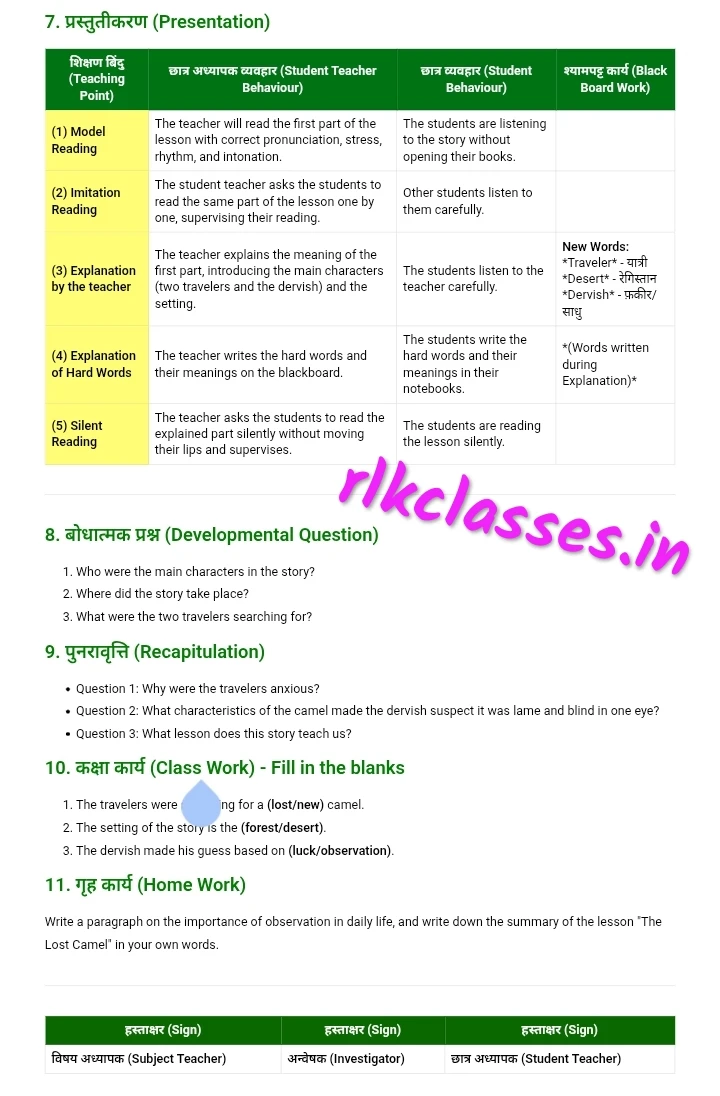
7. प्रस्तुतीकरण (Presentation)
| शिक्षण बिंदु (Teaching Point) | छात्र अध्यापक व्यवहार (Student Teacher Behaviour) | छात्र व्यवहार (Student Behaviour) | श्यामपट्ट कार्य (Black Board Work) |
|---|---|---|---|
| (1) Model Reading | The teacher will read the first part of the lesson with correct pronunciation, stress, rhythm, and intonation. | The students are listening to the story without opening their books. | |
| (2) Imitation Reading | The student teacher asks the students to read the same part of the lesson one by one, supervising their reading. | Other students listen to them carefully. | |
| (3) Explanation by the teacher | The teacher explains the meaning of the first part, introducing the main characters (two travelers and the dervish) and the setting. | The students listen to the teacher carefully. | New Words: *Traveler* – यात्री *Desert* – रेगिस्तान *Dervish* – फ़कीर/साधु |
| (4) Explanation of Hard Words | The teacher writes the hard words and their meanings on the blackboard. | The students write the hard words and their meanings in their notebooks. | *(Words written during Explanation)* |
| (5) Silent Reading | The teacher asks the students to read the explained part silently without moving their lips and supervises. | The students are reading the lesson silently. |
8. बोधात्मक प्रश्न (Developmental Question)
- Who were the main characters in the story?
- Where did the story take place?
- What were the two travelers searching for?
9. पुनरावृत्ति (Recapitulation)
- Question 1: Why were the travelers anxious?
- Question 2: What characteristics of the camel made the dervish suspect it was lame and blind in one eye?
- Question 3: What lesson does this story teach us?
10. कक्षा कार्य (Class Work) – Fill in the blanks
- The travelers were searching for a (lost/new) camel.
- The setting of the story is the (forest/desert).
- The dervish made his guess based on (luck/observation).
11. गृह कार्य (Home Work)
Write a paragraph on the importance of observation in daily life, and write down the summary of the lesson “The Lost Camel” in your own words.
| हस्ताक्षर (Sign) | हस्ताक्षर (Sign) | हस्ताक्षर (Sign) |
|---|---|---|
| विषय अध्यापक (Subject Teacher) | अन्वेषक (Investigator) | छात्र अध्यापक (Student Teacher) |
उम्मीद है कि यह B Ed Lesson Plan of English आपके practical work, micro teaching और final file preparation में मदद करेगा। Lesson planning का मुख्य उद्देश्य teaching को organized और student-friendly बनाना है, इसलिए इन samples को अपने according customize जरूर करें। अगर आपको किसी specific topic जैसे Poem, Prose, Grammar, Tense, Parts of Speech, Reading Skills या Micro Teaching Skill का detailed lesson plan चाहिए, तो आप नीचे comment कर सकते हैं—मैं उसे भी आपके लिए तैयार कर दूँगा।
lesson plan pdf class 7
यह भी पढ़ें –